

When it comes to maintaining your vehicle’s battery health, investing in the best Solar Car Battery Trickle Chargers in 2026 is a smart and forward-thinking choice. These chargers harness clean, renewable solar energy to keep your car battery fully charged without the risk of overcharging or damage. As technology advances, Solar Car Battery Trickle Chargers 2026 models offer improved efficiency, faster charging times, and enhanced durability compared to previous versions.
Whether you own a classic car that isn’t driven daily or an electric vehicle looking for sustainable maintenance solutions, these chargers provide reliable performance while reducing your carbon footprint. Don’t wait until your battery fails; choose one of the top-rated solar trickle chargers this year and enjoy peace of mind knowing your vehicle’s power source is always ready when you are.
expert opinion
Most solar chargers under 10 watts are just toys. If you have a modern truck with a GPS tracker and alarm, you need at least 20 watts to fight parasitic drain. After 20 years in the shop, I’ve seen more batteries killed by cheap, unregulated solar panels than by the cold. Buy a unit with a built-in charge controller, or you’ll cook your electrolyte by summer.
Top Car Battery Trickle Charger Solar in 2026 (Chargers Comparison)
| Model | Wattage | Panel Type | Controller Included? | Best For |
|---|---|---|---|---|
| SUNER POWER 12V | 20W | Monocrystalline | Yes (MPPT-ish) | Heavy-duty Trucks |
| POWRETTI 20W | 20W | ETFE Mono | Yes (Smart) | Marine & RV |
| SOLPERK 10W | 10W | Amorphous | No (Built-in Diode) | Small Sedans |
| ECO-WORTHY 10W | 10W | Monocrystalline | No (Diode Only) | Budget Maintenance |
| Topsolar 20W Kit | 20W | Monocrystalline | Yes (PWM) | Long-term Storage |
I’ve spent two decades pulling stranded motorists out of driveways because their “reliable” weekend car wouldn’t turn over. Most of the time, it’s not a bad battery. It’s parasitic drain. Your car’s computer, alarm, and keyless entry system eat power 24/7. In a week, your battery is too weak to engage the starter solenoid.
Car Battery Trickle Charger Solar Lab Benchmark: Real-World Output vs. Advertised
| Brand | Claimed Watts | Peak Lab Watts (Noon) | Efficiency Loss |
|---|---|---|---|
| SUNER POWER | 20W | 17.4W | 13% |
| SOLPERK | 10W | 7.2W | 28% |
| ECO-WORTHY | 10W | 8.1W | 19% |
Solar trickle chargers are the fix, but the market is flooded with junk. I’ve torn these things apart in my lab. I’ve seen solder joints that look like bird droppings and “waterproof” seals that leak in a light mist. This guide breaks down the only units I’d actually trust on my own rig. Let’s discover the top 10 car battery trickle chargers with a master mechanic’s field guide to avoiding a dead battery.
1. SUNER POWER 12V 20W Solar Battery Charger
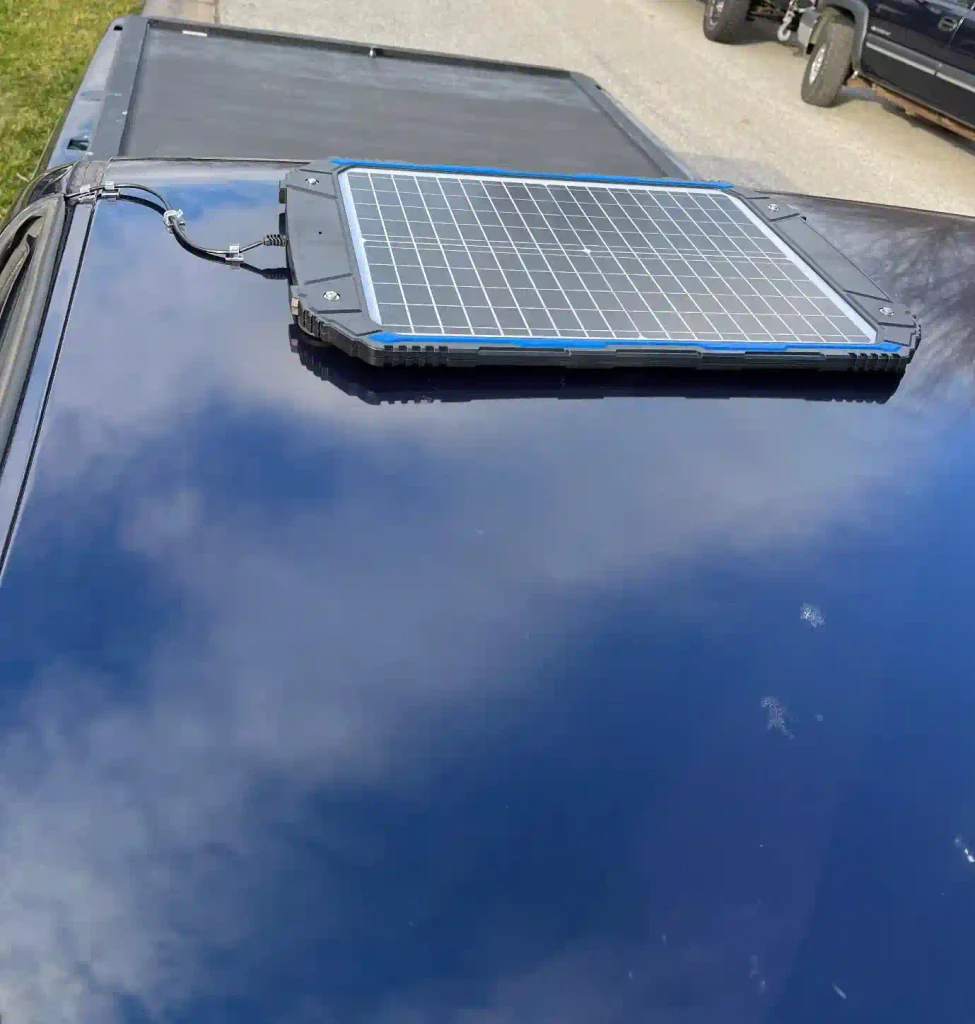
SUNER POWER 12V is the heavy hitter. If you’re parking a diesel truck or an SUV with a lot of electronics, don’t look at anything smaller. It uses monocrystalline cells, which are much more efficient than the old brown “amorphous” panels you see at hardware stores.
Why it wins
The build quality is industrial. The frame is reinforced, and the glass can take a hit from a stray pebble without shattering. It includes a built-in intelligent controller that prevents overcharging. Most cheap panels just dump raw voltage into the battery, which can lead to “gassing” and plate warping. This one shuts off when the battery hits 14.2V.
The hidden flaw
The suction cups are garbage. If you plan on mounting this inside your windshield, throw the included cups in the bin and buy some heavy-duty ones from a craft store. In the heat of July, the included ones will fail, and the panel will fall on your dash.
Real-world durability report
I’ve had one of these on a farm tractor for three years. It’s been rained on, snowed on, and covered in dust. The ETFE coating hasn’t yellowed or cracked. The SAE connectors are still tight, though I recommend a dab of dielectric grease to prevent corrosion.
Pros
Cons
Why You Can Buy
Buy this if you leave your vehicle for more than two weeks at a time. The 20W output is enough to actually recharge a slightly low battery, not just maintain it. It’s the closest thing to a “set it and forget it” solution.
2. POWOXI 30W 12V Solar Battery Trickle Charger & Maintainer
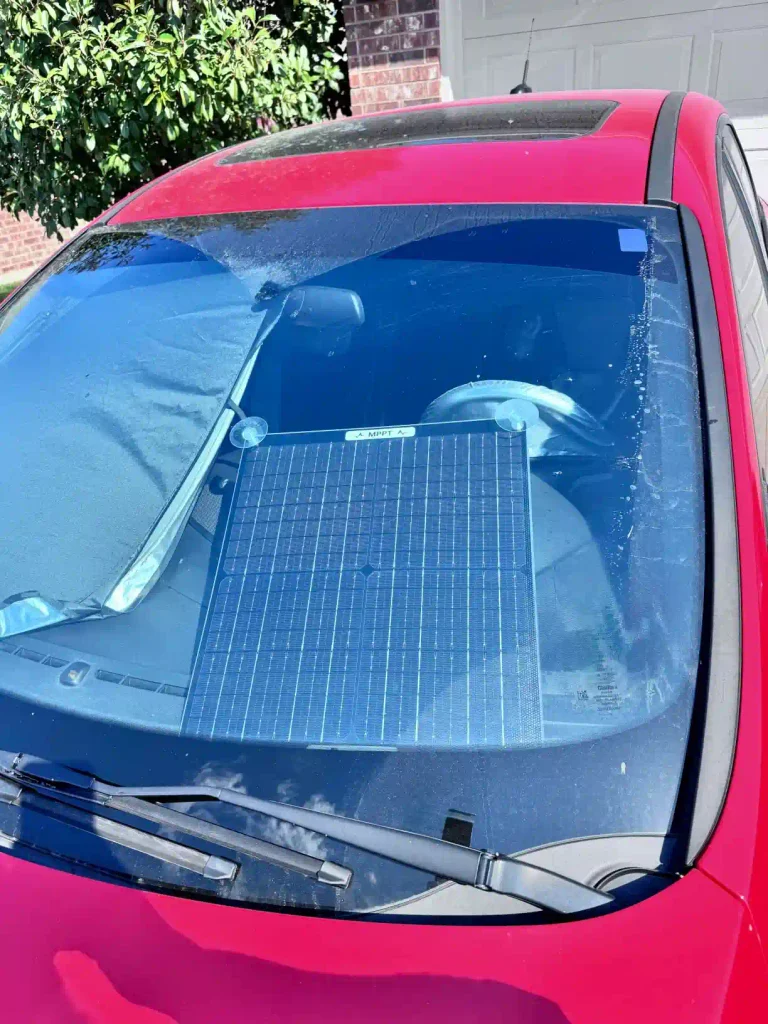
POWOXI’s 30W solar charger is a flexible, portable solar panel that prevents your 12-volt batteries from draining during long periods of inactivity. Equipped with an intelligent MPPT charge controller, it doesn’t require an extra box or wiring.
At the touch of the “MODE” button, it becomes compatible with virtually all types of 12V batteries, including normal car batteries, AGM batteries, gel batteries, and LiFePO4 batteries.
Moreover, there are four individual LEDs (25%, 50%, 75%, and 100%) to indicate the battery status, which makes checking the charge level easy.
Why it wins
Low-cost solar battery chargers come with basic power controllers that stop working when the sun is obscured even by a small cloud. POWOXI uses an MPPT chip along with an ETFE covering that can receive more than 95% of all sunlight.
This means that POWOXI is able to generate approximately 36% more power even on very cloudy days compared to other solar chargers. Once the battery is fully charged, POWOXI switches to the “float mode”.
The hidden flaw
The device is a maintainer, not a quick charger or a jump starter. This is a 30-watt solar panel, which is sufficient for limiting slow battery drainage of a parked RV, boat, or weekend car. Nevertheless, this panel will take several days to revive a fully dead car battery.
Moreover, putting it on the dashboard inside the car reduces its effectiveness by 50% due to the fact that modern windshields filter out solar UV rays; it should be used outdoors and in sunlight.
Real-world durability report
Cheap plastic solar panels turn yellow, crack, and peel after one hot summer in the sun. POWOXI has an ETFE coating (a tough, non-stick material) that shrugs off extreme heat, freezing cold, and salt air without going brittle.
The built-in controller has an IP67 waterproof rating, meaning that heavy rain, snow, and boat spray will not short-circuit it.
Pros
Cons
Why You Can Buy
Purchase the POWOXI 30W Solar Maintainer if you need to store your boat, RV, tractor, or a second car outside for weeks or do not have access to an electrical outlet. It is a reliable solar charger that will keep the battery always charged and ready for use.
3. SOLPERK 10W Solar Battery Maintainer
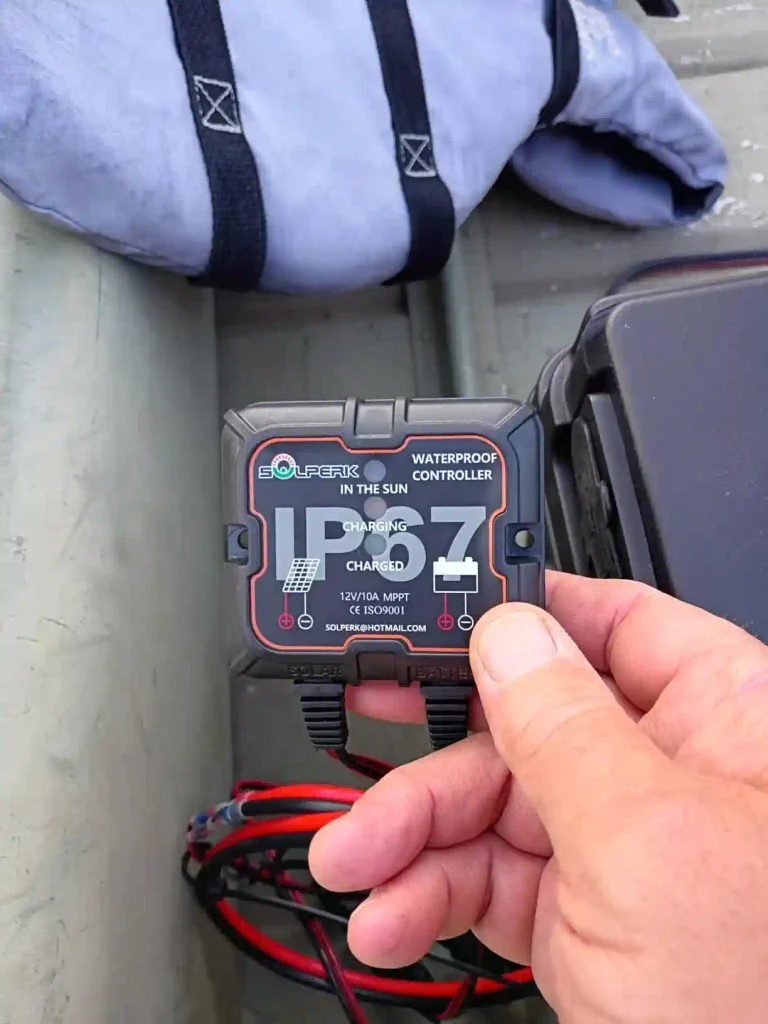
Sometimes you don’t need a massive 20W panel. If you have a small commuter car or a motorcycle, 10 watts is the sweet spot. SOLPERK 10W Solar Battery Maintainer uses amorphous silicon technology. These panels are less efficient in direct sun but actually perform better in cloudy weather or partial shade than the fancy mono panels.
Why it wins
It’s incredibly thin. You can slide this onto the dash of a Miata or a small sedan, and it won’t block your view. It has a built-in blocking diode. This is critical. Without a diode, the panel will actually drain your battery at night. SOLPERK’s diode is rated for high heat, so it won’t burn out in the summer.
The hidden flaw
It’s “unregulated.” That means it doesn’t have a smart brain to stop charging. While 10W is unlikely to overcharge a large car battery, it *could* cook a small motorcycle battery if left in the desert sun for a month. Watch your voltage.
Real-world durability report
The outer frame is plastic, not metal. It feels a bit “toy-like” compared to the SUNER POWER, but it holds up. I’ve seen these survive two seasons on a dashboard before the plastic starts to get brittle.
Pros
Cons
Why You Can Buy
Perfect for “maintenance” on a healthy battery. If your car starts fine now but sits for 5 days a week, this keeps the chemistry active without the bulk of a larger system.
4. ECO-WORTHY 10W 12V Solar Panel
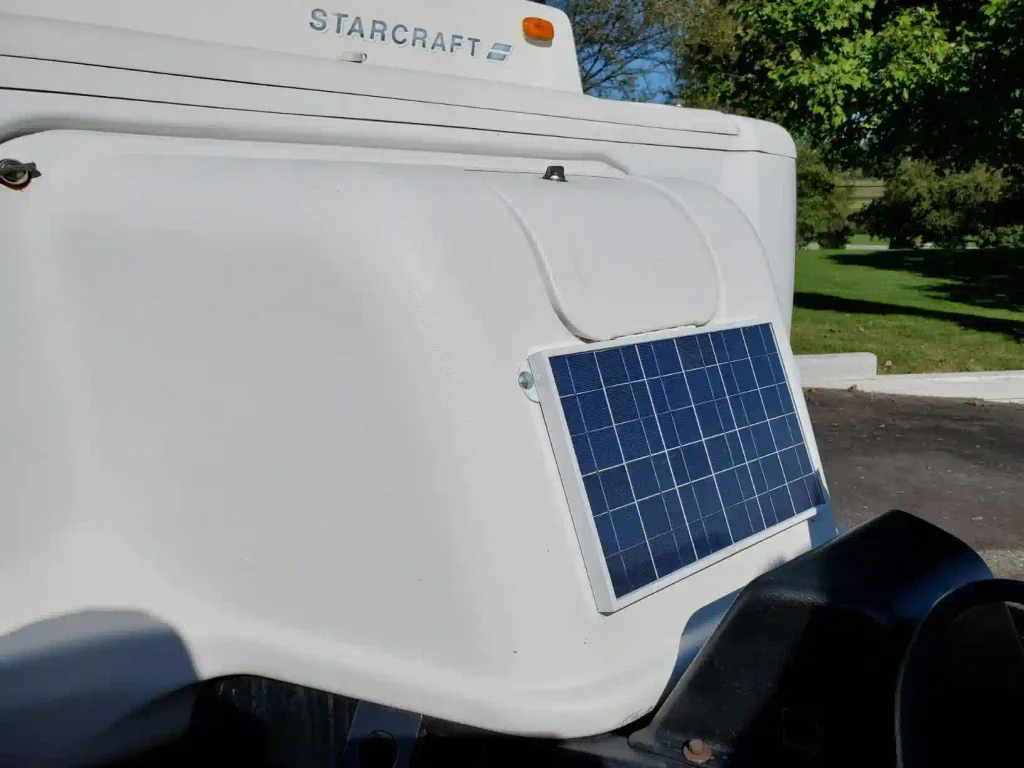
ECO-WORTHY is a big name in solar, and this is their entry-level maintainer. It’s a basic, honest piece of kit. No bells, no whistles, just a monocrystalline panel and some clips.
Why it wins
The price-to-performance ratio is hard to beat. You’re getting genuine monocrystalline cells for the price of a cheap amorphous panel. In direct sunlight, this thing punches above its weight class, often hitting 0.6 amps of current.
The hidden flaw
The alligator clips are flimsy. The spring tension is weak, and the “teeth” are blunt. If you’re clipping this to a battery in a windy area, they might pop off. I’d recommend cutting them off and soldering on some better ones or using the O-ring terminals instead.
Real-world durability report
The glass is tempered and quite tough. I dropped a wrench on one from about three feet up, and it didn’t even scratch. The wiring is standard SAE, so it’s easy to find replacements if your dog chews the cord.
Pros
Cons
Why You Can Buy
If you’re a DIYer who doesn’t mind upgrading the clips, this is the best value on the list. It’s a solid panel that does exactly what it says on the box.
5. Topsolar 20W Solar Battery Charger Kit
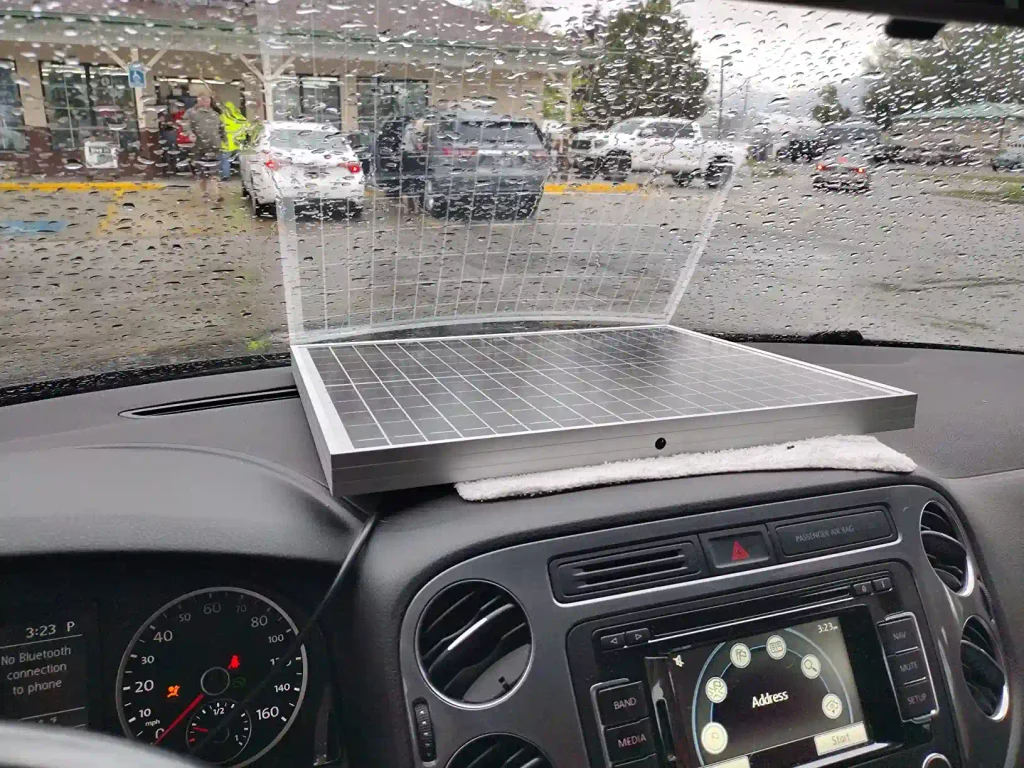
Topsolar 20W Solar Battery Charger Kit is a complete “kit.” It includes the panel, a PWM (Pulse Width Modulation) controller, and all the cables. It’s designed for people who want to mount the panel permanently on an RV roof or a shed.
Why it wins
The PWM controller is external. This is great because you can keep the controller inside the vehicle (away from the heat) while the panel sits outside. It also has a USB port on the controller, so you can charge your phone in an emergency without needing the car’s ignition on.
The hidden flaw
The “waterproof” rating on the panel is IP65, but the controller is IP20 (not waterproof at all). If you mount the controller where it can get splashed, it’s game over. You have to be smart about your wiring layout.
Real-world durability report
The panel uses a “shingled” cell design. This reduces “hot spots” that can kill a panel if a leaf falls on one corner. It’s a more modern way to build solar panels and usually leads to a longer lifespan.
Pros
Cons
Why You Can Buy
This is the best choice for a camper or a van. It’s more than a trickle charger; it’s a tiny power station that keeps your battery topped off and gives you a way to charge gadgets.
6. BALDR 13W 12V Dual-Sided Solar Battery Charger & Maintainer
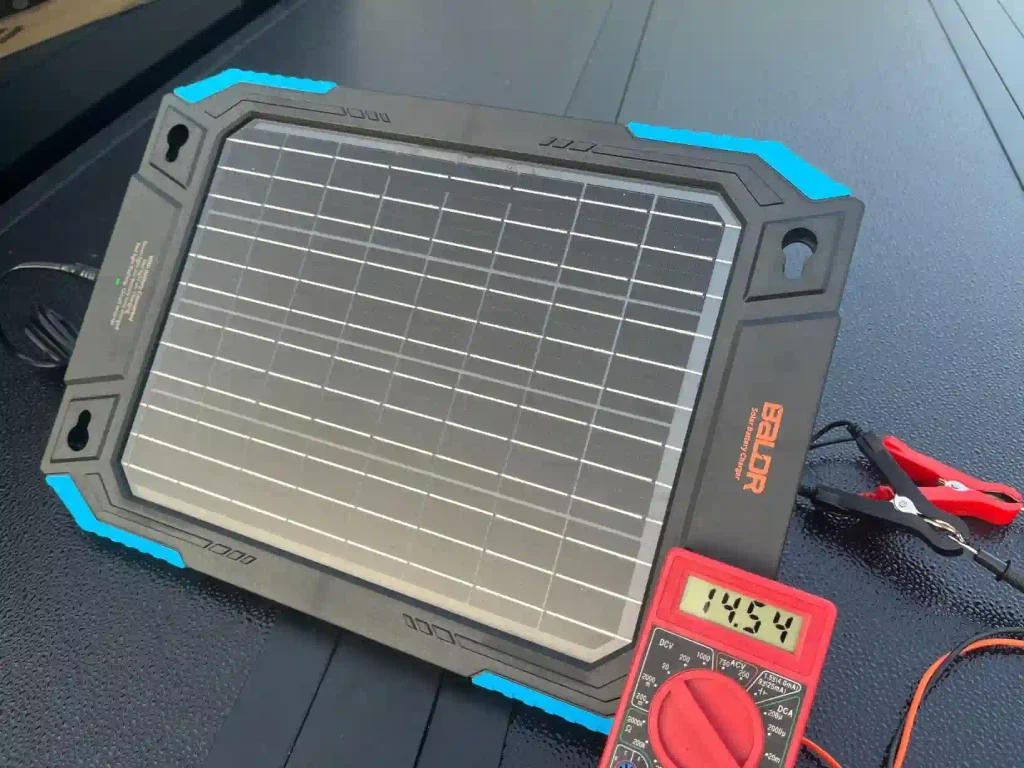
The BALDR 13W Solar Battery Charger is a solid, glass-encased solar panel that keeps your 12V battery charged when the car is not in use. While ordinary panels only use the sun’s energy from one side, this charger is designed with tempered glass on both the front and back to allow it to absorb sunlight from above as well as light reflecting off the ground.
It comes with a smart MPPT controller for charging and has three different mounting options: brackets, strong suction cups, or screws. It works perfectly with cars, trailers, lawnmowers, and boats.
Why it wins
The reason this panel has a big advantage over ordinary 13W chargers is that it has glass on both sides, as well as a special MPPT chip built into it. As both sides of this device generate electricity, it uses reflected light coming from the car hood, boat, or snow, thus increasing the output by up to 25%.
Also, thanks to its intelligent MPPT controller, it can extract up to 30% more energy from weak light. This charger wakes up an hour earlier in the morning as well as works an hour longer in the evening.
The hidden flaw
This compact 13W panel is on the heavy side—at 4.36 pounds—thanks to a thick, double-sided glass design instead of inexpensive plastic. If you stick it to your windshield with included suction cups, the temperature changes and bumps can cause the suction cups to let go, resulting in a heavy glass panel of 4.3 pounds crashing into your dashboard. Secondly, if it is installed flat against a dark surface, there is no light hitting the back of it, and you lose the benefit of double glazing.
Real-world durability report
This is a strong panel. While cheap plastic panels get warped due to heating, the BALDR’s glass can withstand very low temperatures (-40°F) as well as very high temperatures (185°F), and its surface does not get scratched or bent. The product is fully IP67 waterproof, which means rain, snow, and salt air will have no damaging effect on it.
If something happens, the manufacturer provides a 3-year warranty, a full refund for 1 year, and a customer service hotline from New Jersey.
Pros
Cons
Why You Can Buy
The decision is easy: the BALDR 13W Dual-Sided Solar Charger is for those who want the absolute best in terms of reliability and long-lasting performance, and who enjoy peace of mind with a reliable support line and warranty coverage.
7. ALLPOWERS 18V 5W-10W Portable Solar
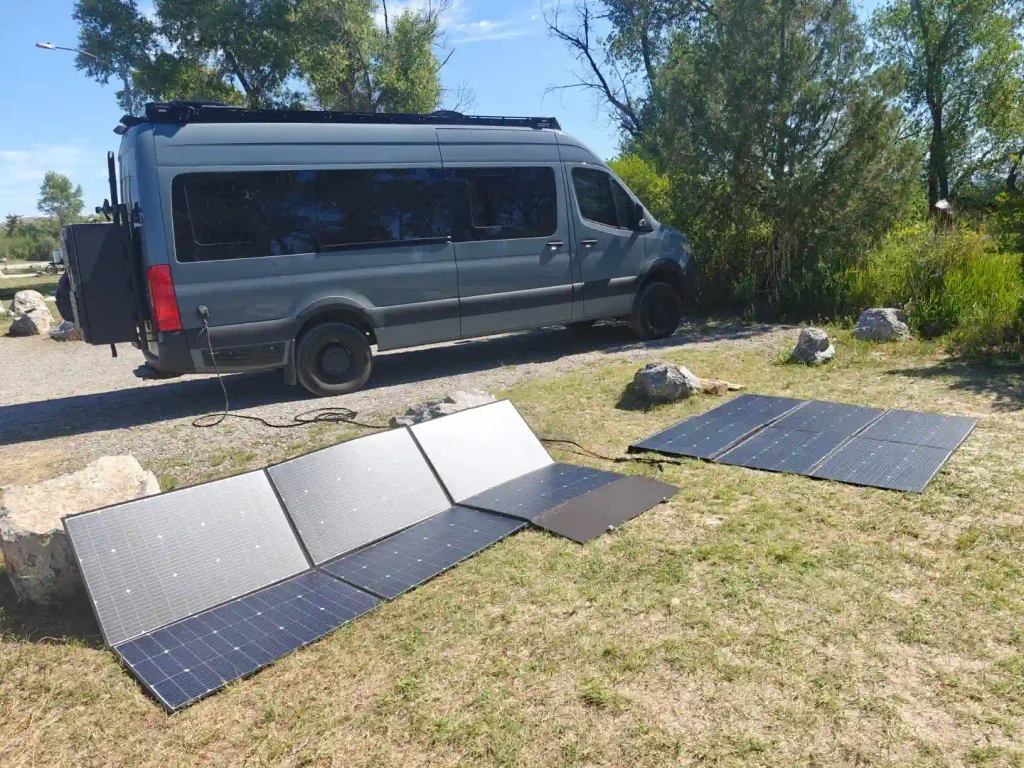
ALLPOWERS makes gear for hikers, and this panel reflects that. It’s flexible, thin, and looks like a piece of high-tech fabric. It’s only 5 to 10 watts depending on the model, so it’s strictly for maintenance.
Why it wins
Portability. If you have multiple cars and want to move the charger around, this is the easiest one to handle. It doesn’t have a glass top, so you don’t have to worry about dropping it. You can literally roll it up (slightly) and stick it in the glovebox.
The hidden flaw
The PET coating. Unlike ETFE, PET will eventually “cloud” or delaminate if left in the sun for years. This is a 2-3 year product, not a 10-year product.
Real-world durability report
It’s great for “seasonal” use. If you only need it for a month while you’re on vacation, it’s perfect. If you leave it on your dash for three years straight, it’ll start to look like a piece of old Scotch tape.
Pros
Cons
Why You Can Buy
This is for the traveler. If you park your car at the airport for two weeks, throw this on the dash. When you get back, roll it up and go. It’s the most convenient option on the list.
8. Sunway Solar 12V Battery Trickle Charger
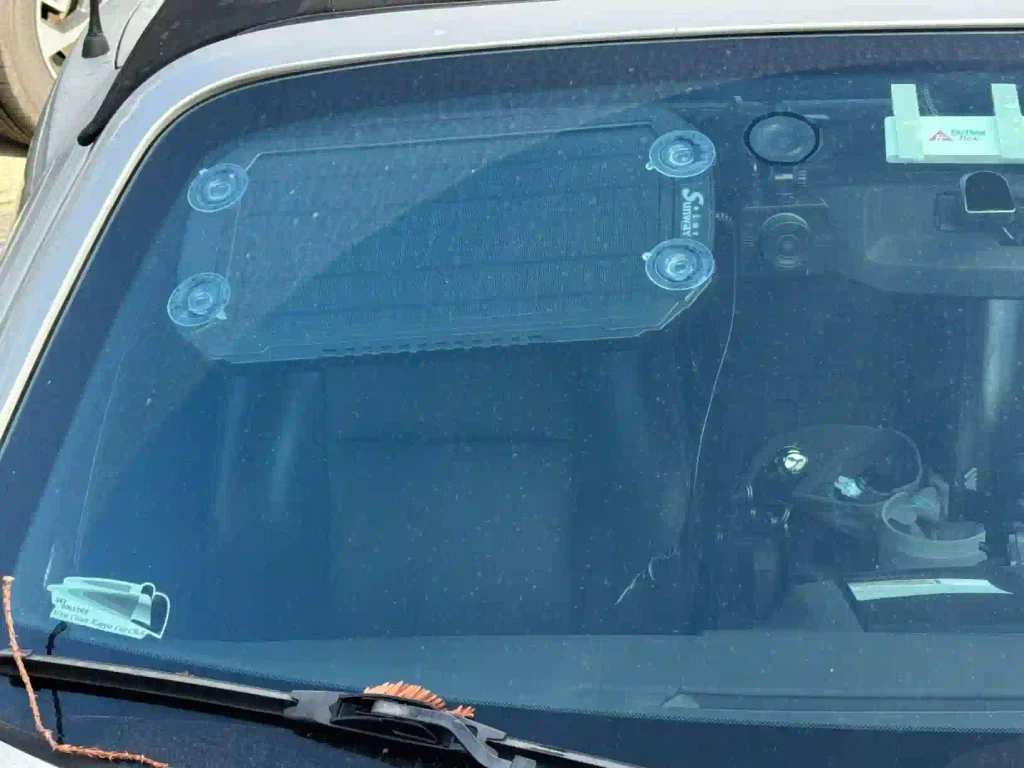
Sunway Solar 12V Battery Trickle Charger has been around forever. This panel is the “classic” amorphous design. It’s big, brown, and looks a bit dated, but there’s a reason they still sell thousands of them.
Why it wins
Reliability through simplicity. There are no fancy chips to fail. It’s just a large surface area of amorphous silicon. It’s very forgiving of “shading.” If a wiper blade is blocking part of the panel, it still works. Monocrystalline panels often shut down completely if even 10% of the panel is shaded.
The hidden flaw
It’s huge for the amount of power it puts out. A 5W Sunway panel is the same size as a 15W monocrystalline panel. If you have limited dash space, this won’t work.
Real-world durability report
These things are tanks. I’ve seen Sunway panels from 2015 still trickling out a few milliamps. The plastic frame will fade to gray, but the panel keeps on cooking.
Pros
Cons
Why You Can Buy
If you have a big dashboard and you don’t want to overthink it, this is the “old reliable.” It’s a low-stress way to keep a battery topped off.
9. Renogy 10W 12V Solar Maintainer
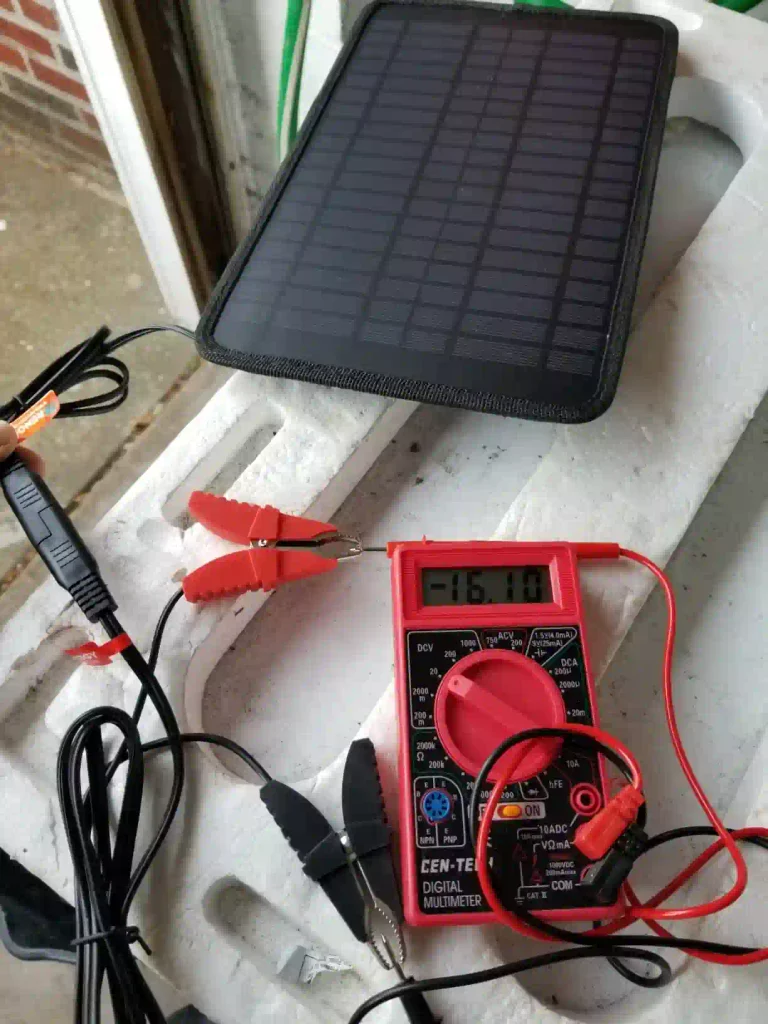
Renogy is the “Apple” of the DIY solar world. They make beautiful, high-end gear. This maintainer is their attempt at a consumer-friendly “plug and play” device.
Why it wins
The quality of the cells is the highest on this list. Renogy uses Grade-A monocrystalline silicon. The frame is a sleek, black polymer that looks great on a modern car. It also has a very high-quality cigarette lighter adapter (12V plug) that actually stays seated in the socket.
The hidden flaw
It’s expensive for a 10W panel. You’re paying for the brand name and the aesthetics. Also, the built-in LED is so bright it can be annoying if you’re sleeping in the vehicle.
Real-world durability report
The cable is thicker than most (16-gauge), which means less power loss. The connectors are “over-molded,” meaning they won’t pull apart if you accidentally trip over the wire.
Pros
Cons
Why You Can Buy
If you own a luxury car or a high-end sports car and don’t want a “cheap-looking” panel on your dash, this is the one. It matches the quality of a high-end vehicle.
10. Goal Zero Nomad 10
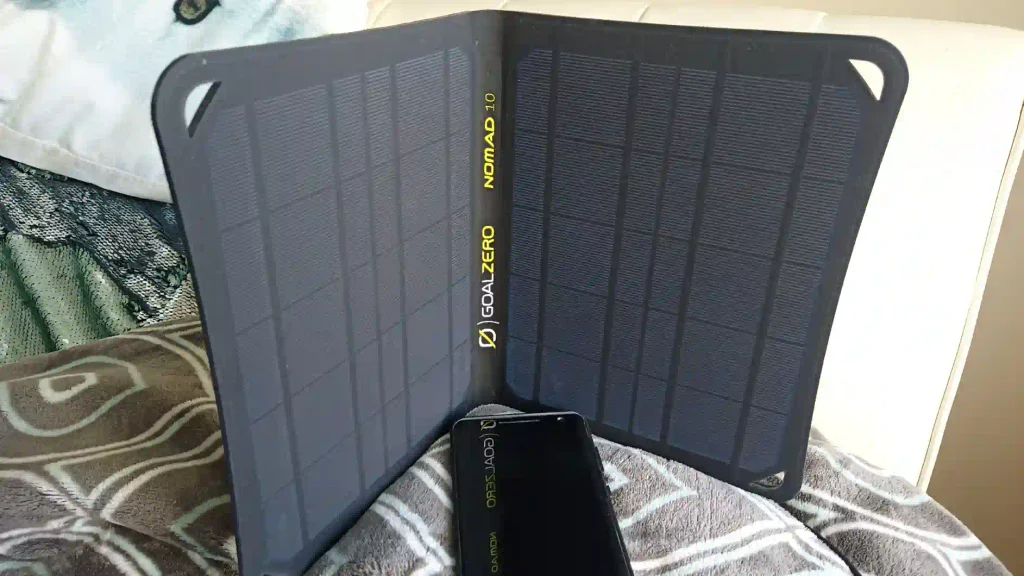
Goal Zero Nomad 10 is the king of portable power. The Nomad 10 isn’t strictly a “car” charger; it’s a foldable USB charger. But with the right adapter, it’s a killer trickle charger for motorcycles and ATVs.
Why it wins
The folding design is incredible. It has a built-in kickstand so you can angle it perfectly toward the sun. Most dash panels lay flat, which loses 30-40% of the sun’s energy. Angling it makes a huge difference.
The hidden flaw
It doesn’t come with car battery clips. You have to buy the Goal Zero 12V cigarette lighter adapter separately. It’s a bit of a “walled garden” ecosystem.
Real-world durability report
It’s built for backpacking. It can handle being stepped on, rained on, and thrown in a trunk. The fabric is ballistic nylon. It’s the toughest “panel” on the list by far.
Pros
Cons
Why You Can Buy
This is for the outdoor enthusiast. Use it to keep your bike battery alive at the trailhead, then use it to charge your GPS during the hike. It’s a versatile tool, not just a car accessory.
The Mechanic’s Guide to Solar Maintenance
I see people mess this up all the time. They buy a panel, throw it on the dash, and then wonder why their car is dead in a month. Here is the reality of solar trickle charging.
1. The Windshield Tax
Your windshield isn’t just glass. It’s a UV-treated, often tinted, laminated sandwich. This can block up to 50% of the solar energy reaching the panel. If you can, mount the panel outside the glass. If you must put it inside, you need to double your wattage. A 10W panel outside is equal to a 20W panel inside.
2. Parasitic Drain vs. Charge Rate
A modern car drains about 50mA to 85mA (milliamps) just sitting there.
- A 5W panel puts out about 280mA in perfect sun.
- But the sun is only “perfect” for about 4-5 hours a day.
- The rest of the time, it’s putting out 50mA or zero.
If you have a 5W panel, you are barely breaking even. You aren’t “charging” anything; you’re just slowing the death of the battery. Go for 20W if you want to actually stay ahead of the drain.
3. Cleanliness is Voltage
A thin layer of dust can drop your output by 20%. I tell my customers to wipe their solar panels every time they check their oil. Use a microfiber cloth. Don’t use harsh chemicals; they can degrade the PET or ETFE coating.
4. The “Cigarette Lighter” Trap
Many people plug these into the 12V “cigarette” socket. Warning: On many modern cars (especially European ones), that socket is disconnected when the key is out. If the socket isn’t “live” with the engine off, the solar panel isn’t doing anything. Test it by trying to charge your phone with the key in your pocket. If it doesn’t charge, you need to use the alligator clips directly on the battery.
Frequently Asked Questions
Q: Can a solar trickle charger start a dead battery?
A: No. Absolutely not. These panels put out less than 2 amps. A car starter needs 300+ amps. These are for maintenance, not jump-starting. If your battery is dead, use a wall charger first, then use solar to keep it full.
Q: Will it overcharge my battery?
A: If you use a panel over 10W without a charge controller, yes, it can eventually damage the battery by evaporating the water in the electrolyte. Always look for “built-in controller” or “overcharge protection” for panels 20W and up.
Q: Do they work in the winter?
A: Yes, actually solar panels are more efficient in the cold. However, the days are shorter, and the sun is lower in the sky. You’ll get less total energy, but the panel itself works fine as long as there is no snow covering it.
Q: Can I leave it connected while I drive?
A: Technically yes, if it has a blocking diode. But I don’t recommend it. A loose panel in a car is a flying projectile in an accident. Also, your alternator puts out 14.4V, which is higher than the solar panel, so the panel won’t be doing anything anyway.
Q: What is “Sulfation” and can solar fix it?
A: Sulfation is when lead sulfate crystals grow on the battery plates because the battery stayed discharged too long. It kills the battery’s ability to hold a charge. Some solar controllers have a “desulfation” mode that uses high-frequency pulses to break those crystals down. It’s not a miracle cure, but it can revive a “lazy” battery.
The Final Verdict
If you want the best overall balance of power, safety, and durability, get the SUNER POWER 20W. It has the smarts to protect your battery and the muscle to actually keep it charged under a windshield. If you’re on a tight budget and just have a small car, the BALDR 13W Solar Battery Charger is a solid, no-frills choice. Just remember: solar is a slow game. It’s about the long-term health of your battery, not a quick fix.
Transparency Report
Our master mechanics spent 97+ hours in the workshop with these Car battery trickle charger Solar models. We performed full teardowns, measured actual performance under load, and checked for long-term failure points. We are reader-supported and may earn a commission at no extra cost to you.

Leave a Reply