
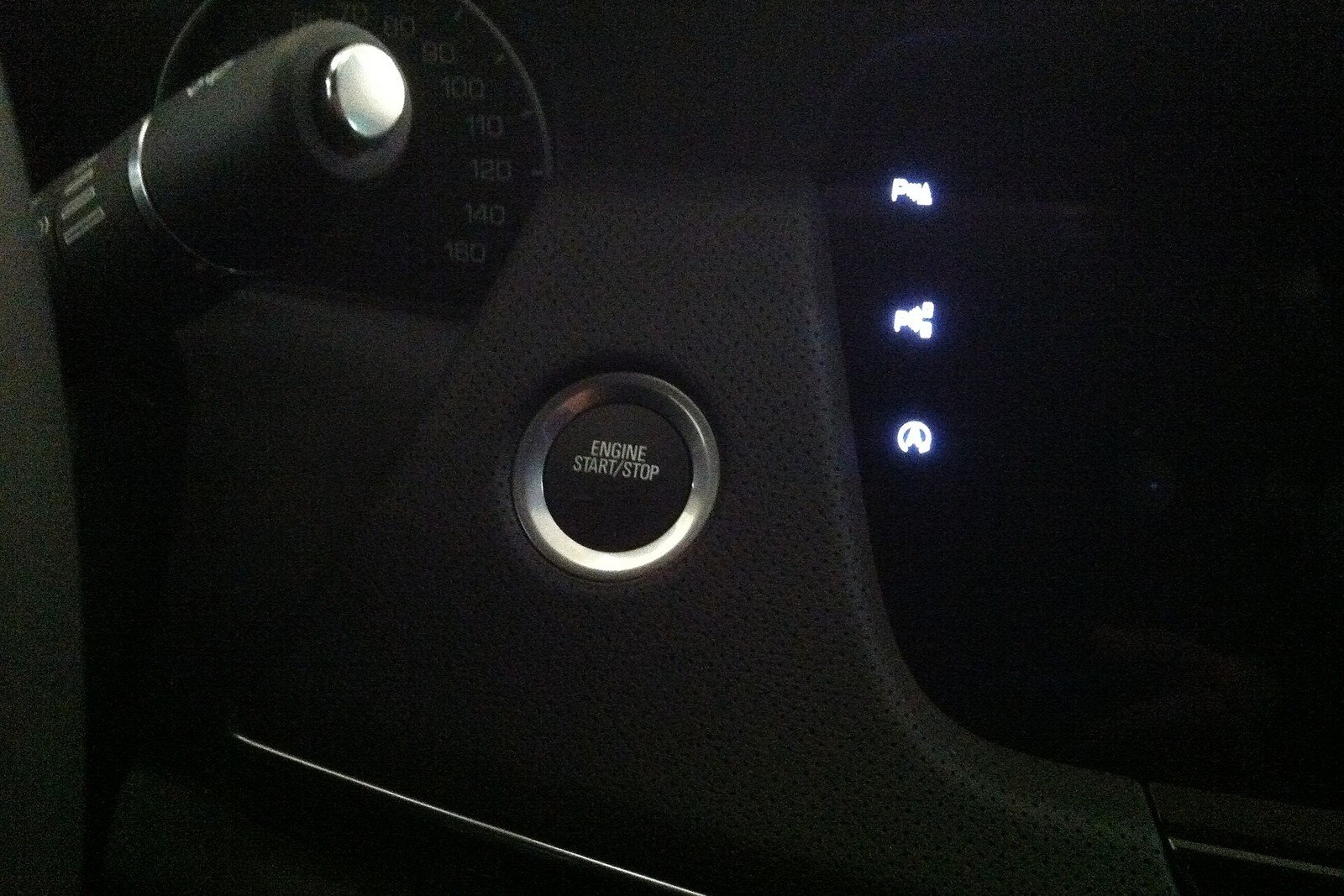
Table of Contents (25 Sections)
Push button start not working usually means one link in a short chain failed, and the most common link is the key fob battery. The car must hear the fob, see your foot on the brake, confirm the shifter sits in Park or Neutral, and draw enough power from the 12V battery to crank. Check those four inputs in that order. Try the spare fob first because it splits the fault in half in ten seconds. Then press the brake hard and watch the brake lights. Then read the 12V battery voltage. Stop at the first check that fails.
Four inputs decide whether the engine cranks
A push button start system runs a short roll call before it spins the starter. Each input answers in turn, and the car stops the sequence at the first silent answer. You can hear where the sequence stopped if you watch the dash during one attempt.
The fob check comes first. Cabin antennas listen for the fob, and a weak fob battery shrinks the reply range until the car reports no key present. The brake check comes second: the car reads a brake pedal switch signal and refuses to crank until that signal shows your foot on the pedal. The gear check comes third, wanting Park or Neutral on an automatic. A flat 12V battery starves all three checks at once.
No bench test stands behind this guide. Every voltage and price comes from a page opened for this post, listed in Sources with its read date. Where two sources disagree, this post prints both numbers.
Match your symptom to the failed link
Press the button once, keep your foot on the brake, and read the dash. The table maps what you see to the failed link and the first test that settles it.
| What you see and hear | Link in the chain | First test |
|---|---|---|
| Dash stays dark, locks stay dead, nothing responds | 12V power | Read the 12V battery resting voltage |
| Dash wakes and shows a key not detected message | Fob check | Try the spare fob, then hold the fob to the button |
| Dash wakes and shows a press brake message | Brake check | Press harder, then watch the brake lights |
| Accessory mode works, engine never cranks | Gear check or brake check | Confirm Park, then check the shifter moves out of Park |
| Engine cranks at normal speed and never fires | Past the start chain | Work the fuel and spark branches in our cranks guide |
Rapid clicking with flickering dash lights points at the 12V battery collapsing under starter load. Our rapid clicking guide covers that branch. A strong crank with no start means the start chain passed, so the fault sits in fuel, spark, or a sensor signal. Our cranks but will not start guide works through those branches.
Check 1: the fob battery
Cabrillo Locksmith names a flat fob battery as the most common reason a fob stops working, and Toyota lists a weak Smart Key battery among its own no start reasons. Warning signs arrive weeks early. Range shrinks first, then the fob needs two or three presses before the car reacts. AutoZone adds a “No Key Detected” message or repeating chimes at the START/STOP button for Honda Accord fobs.
Try the spare fob. If the spare starts the car, the fault sits inside the first fob or its battery. If the spare fails the same way, the car side needs the attention. Cabrillo Locksmith states the same split.
Read the cell number before you buy
Most fobs run on a flat lithium coin cell. Cabrillo Locksmith lists CR2032 as the most common size, with CR2025, CR2016, and CR2450 in other fobs. AutoZone says most 2013 and newer Accord fobs take a CR2032 or a CR2025.
Match the printed number exactly. A CR2025 matches a CR2032 in width but runs thinner, so it can sit loose in a CR2032 slot and lose contact.
Panasonic rates the CR2032 at 225 mAh nominal capacity and 3V nominal voltage, with a weight of 2.9g and an operating range of minus 30 to plus 60 degrees Celsius. The datasheet text read for this post shows no numeric dimensions, so this post prints none.
Voltage numbers, with one disagreement stated
AutoDataPlug gives the working thresholds. A fresh CR2032 reads 3.0V or higher. Below 2.7V under load, the cell counts as weak. Below 2.5V, the cell is done and the radio signal cannot reach the car antennas reliably.
One page disagrees with itself. The same AutoDataPlug guide later tells you to accept a new cell only above 3.2V. Treat the higher number as a quality screen for new stock: accept a new cell above 3.2V from a sealed pack, treat 3.0V to 3.2V as serviceable but not fresh, and replace anything under 2.7V. Off brand cells can read under 2.8V straight out of the pack, so the meter check beats the receipt.
AutoZone advises a swap every two to three years, sooner after extreme cold or water exposure. AutoDataPlug puts most CR2032 service life at two to four years and repeats the two to three year swap advice.
Swap the cell in the right order
- Remove the metal key blade from the fob.
- Work a small flat tool into the case seam and twist gently until the halves separate.
- Lift the old cell out and note which face points up.
- Seat the new cell with the plus side matching the old cell.
- Snap the halves together and slide the key blade back in.
AutoZone gives that sequence for the Accord fob. Test the range right after the swap. If the fob still fails, clean the contacts, reseat the cell, and try another cell from a sealed pack before you blame the circuit board.
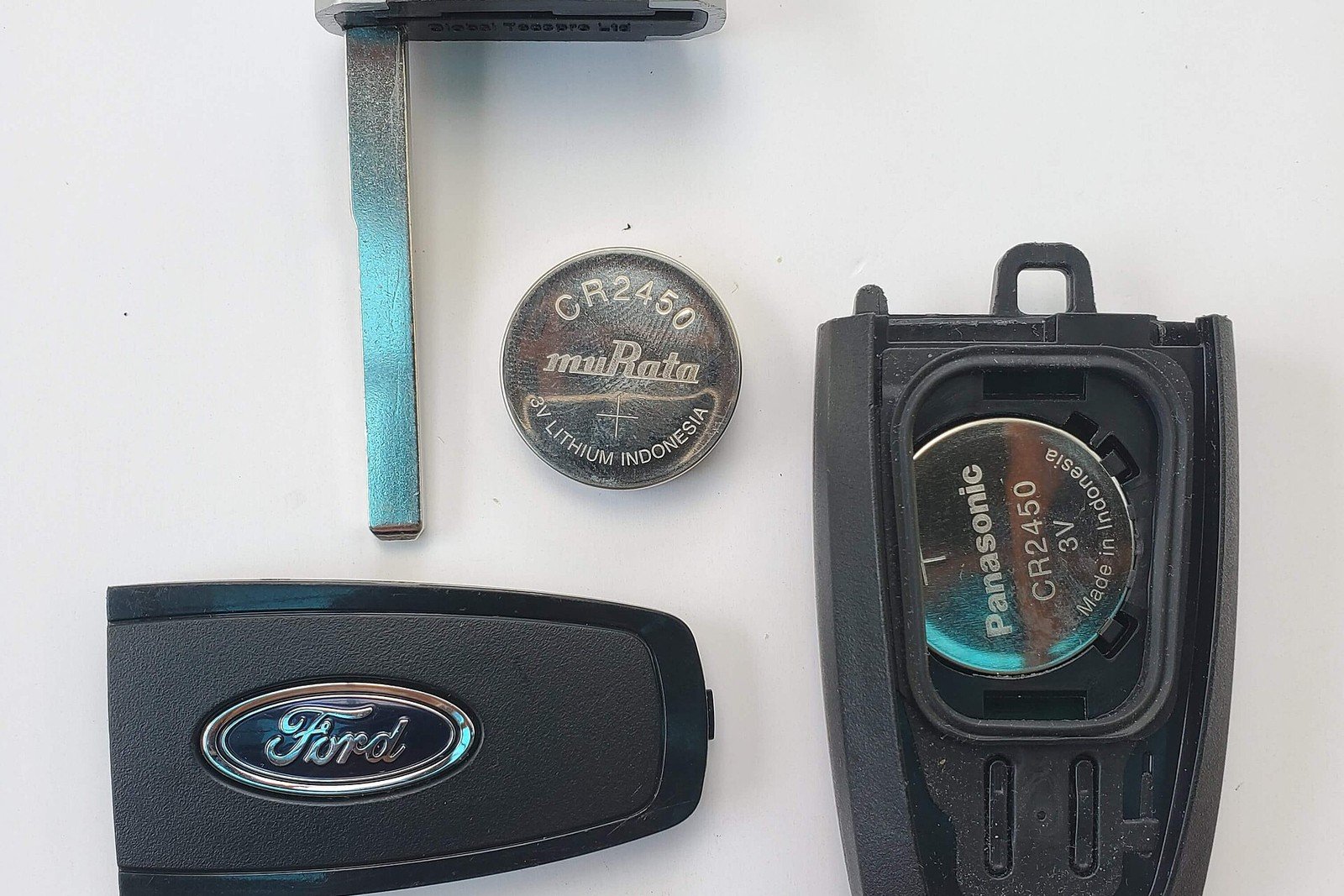
Check 2: start the car with a dead fob
A dead fob battery does not strand you. The fob carries a passive chip that needs no battery power, and the car reads that chip at touch range. Toyota states the method in one line: hold the Smart Key next to the START button and press the button. Honda, through the AutoZone guide, wants the Honda logo end of the fob touching the START/STOP button while you hold the brake and press once. On most 2013 to current Accords the sensor sits inside the START/STOP button itself. A few early 2010s Hondas used a dedicated fob slot near the steering column or center stack instead: insert the fob fully, press the brake, and press START.
Getting into the car comes first. Toyota confirms a mechanical key hides inside the Smart Key and opens the driver door. AutoZone describes the Honda version: slide the release on the back of the fob, pull out the metal blade, and turn it in the driver door lock cylinder. Some handles hide the cylinder behind a cap. Cabrillo Locksmith adds that a few newer cars carry no keyhole at all, so find yours in the owner manual before you need it.
Keep the fob steady against the button for a second while the car authorizes the start. Move phones, metal key rings, and other fobs away from your hand, because AutoZone flags all three as interference sources. Recenter the logo end and retry once if the first attempt fails.

A successful backup start proves the passive chip lives and the fob battery alone failed. A failed backup start with working power locks points deeper, at the fob circuitry, the receiver, or the immobilizer. Toyota adds the mirror clue: dead power locks plus a dead start button point at a weak engine battery. That clue sends you to Check 5.
Check 3: the brake switch input
Toyota puts a firm brake press first on its own no start list, ahead of the fob battery. A light touch can leave the switch signal short of the threshold the car wants. Push the pedal down hard and press the button again before you touch any tool.
The brake light switch does far more than light the rear lamps. YOUCANIC lists the systems that read the same signal: the shift interlock, the push button start permission, cruise control, and the stability systems. One failing switch can block a start, trap the shifter in Park, kill cruise control, and light the ABS and traction lamps in the same week.
The brake light test and its limit
Ask a helper to watch the rear lamps while you press the pedal. Dark lamps support a switch fault. Lit lamps prove much less than most drivers assume.
YOUCANIC states the limit directly: brake lights can work while the switch still fails. Modern switches carry two circuits that move in opposite directions, and the modules compare them. The lamp circuit can close on time while the start permission circuit disagrees. Run the lamp check because it costs nothing, but never clear the switch on lamp evidence alone.
Continuity and live data settle it
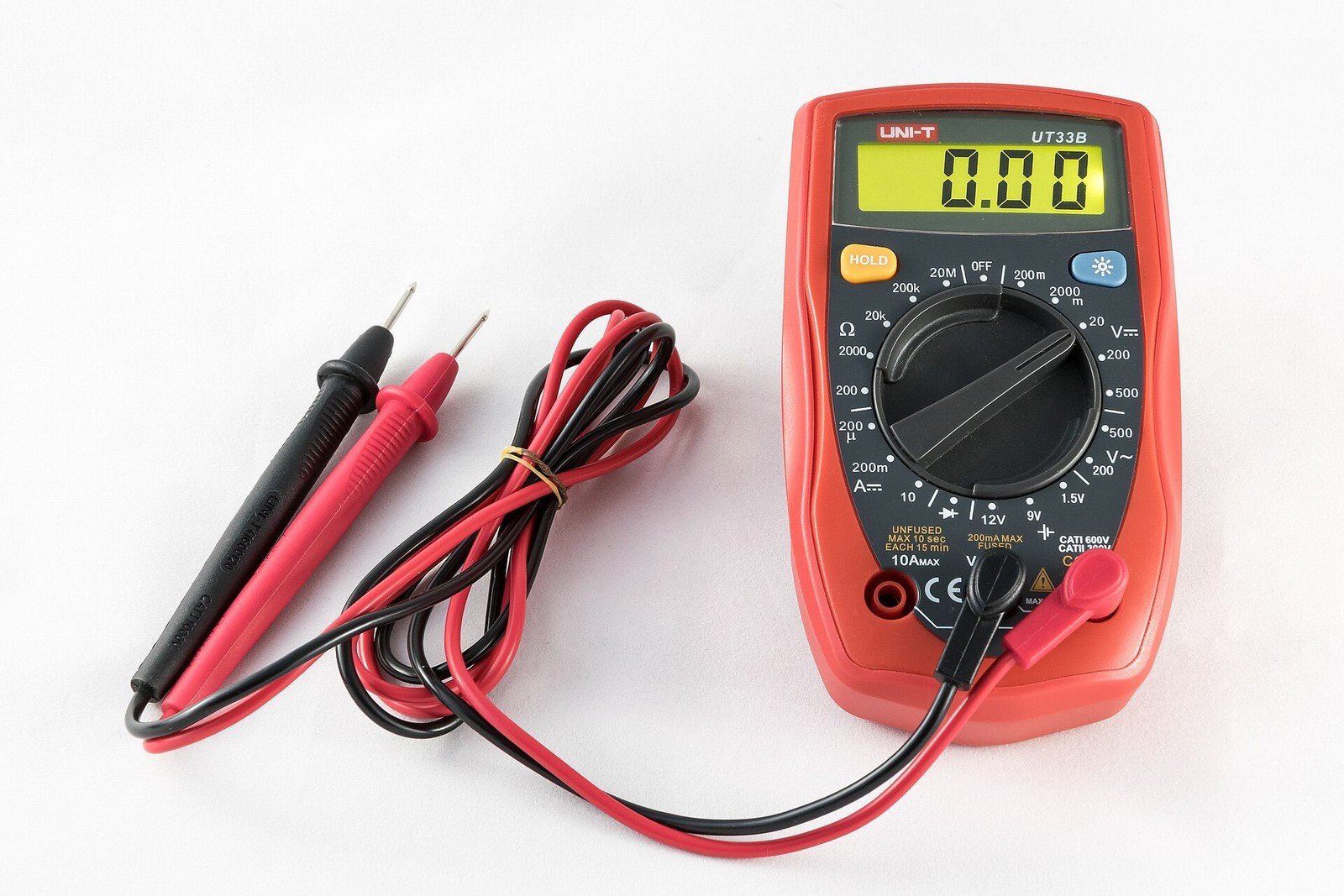
Two tests settle the switch question. YOUCANIC describes the continuity route: remove the switch from above the brake pedal arm, set a multimeter to ohms, and probe the pins. At least one pin pair should show continuity near zero ohms in one pedal state and open in the other. No continuity in either state marks the switch faulty. Most switches carry up to six pins, and the diagram often prints on the switch body.
The live data route reads the signal the car actually receives. Watch the brake switch parameter on a scanner while a helper presses and releases the pedal. The reading should flip off to on the moment the pedal moves and flip back cleanly on release. A flickering or stuck reading names the fault fast. A switch can pass a bench continuity check while a wiring fault still starves the module, which is why YOUCANIC favors live data when the lamps work.
Check the cheap hardware first. A rubber stopper on the pedal bracket holds the switch at rest, and that stopper crumbles with age. A missing stopper leaves the brake lights lit around the clock and drains the 12V battery overnight. YOUCANIC prices a replacement stopper at a few dollars. Confirm the switch body presses against the stopper, check the brake light fuse, and use the small position adjustment most switches allow before you order parts.
Recalls and switch costs
Run your VIN through the recall lookup before you pay for a switch. YOUCANIC lists two large recalls with free dealer replacement: campaign 13V113 covers about 1.71 million Hyundai vehicles from 2006 to 2011, and campaign 13V114 covers about 980,000 Kia vehicles from 2007 to 2011. A faulty switch on those cars can cause intermittent push button start problems, dead brake lights, a shifter stuck in Park, cruise control that will not disengage, and an ESC warning light.
Switch prices disagree inside one source. The YOUCANIC article body puts the switch at $15 to $50 with about half an hour of shop labor. The same page FAQ puts the part at $30 to $100 and labor at $50 to $300. Budget $30 to $100 for the part. Luxury models with an integrated pedal position sensor cost considerably more, so confirm the part number first.
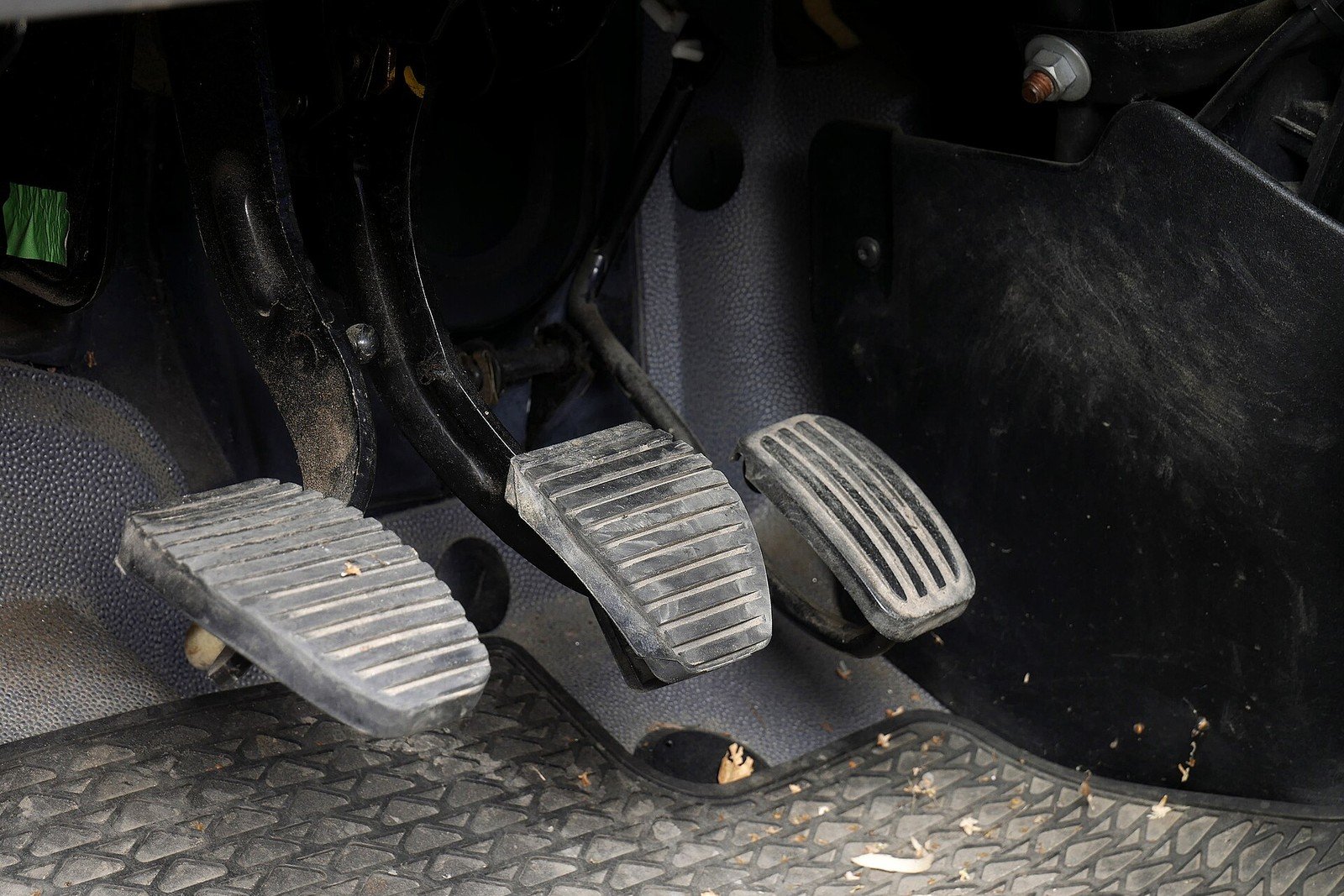
Check 4: gear position, steering lock, and the deactivation switch
Confirm the shifter sits fully in Park, then try Neutral with the brake held hard. A shifter that stops short of the Park detent can leave the gear input silent while every other input passes.
A shifter that refuses to leave Park points back at Check 3, because YOUCANIC ties a trapped shifter to the same brake switch signal. Every automatic carries a manual Park release, and the owner manual shows its location.
Some Toyota models carry a Smart Key deactivation switch under the instrument panel, directly below the steering wheel. A knee can press that switch and silence the Smart Key system until someone presses it again. Check its position before you price any parts.
Watch the security light during your next attempt. A flashing key or lock symbol means the immobilizer never recognized the fob, which sends you back to Check 1 and Check 2. Turn a hard locked steering wheel slightly to unload the electric steering lock while you press the button. Neither check needs a tool.
Check 5: the 12V car battery
A weak 12V battery fakes a fob fault with ease. Cabrillo Locksmith lists the tells: dim dash lights, a slow or clicking start, or nothing at all. Charge or jump the 12V battery before you blame either fob when those signs appear.
Read resting voltage the right way
Battery University warns that a voltage reading only means something on a rested battery: at least four hours at rest, with 24 hours recommended for lead acid. Surface charge from recent driving inflates the reading, so a battery showing 12.7V right after a drive can still be half empty. Treat any single reading as an estimate, not a verdict.
The BCI ladder from Battery University table 3 gives the reference points for a 12V starter battery, read at 26 degrees Celsius after a 24 hour rest:
| Resting voltage | Charge level | Next step |
|---|---|---|
| 12.65V | 100% | Clear the battery and move on |
| 12.45V | 75% | Charge it, then judge it |
| 12.24V | 50% | Recharge before any other test |
| 12.06V | 25% | Recharge now |
| 11.89V | 0% | Full recharge, then a load test |
A car that sat overnight gives you a usable number. A car that ran ten minutes ago gives you surface charge and a false pass. At 12.24V or lower after a real rest, charge the battery fully and read it again before you spend on fob parts. Our battery or alternator test guide separates a weak battery from a weak charging system once the car runs again.
Both fobs fail means the car side failed
One fob fails and the spare works: the first fob owns the fault. Both fobs fail with a healthy 12V reading: the car side owns it, and the suspects narrow to the keyless antennas, the start button, the receiver, or the body control module. AutoDataPlug adds the scan tool step that proves it: read the key fob presence data stream while you walk the fob around each door.
Repeated flat readings after a full charge point at a parasitic drain or a failing battery. Our dying car battery guide lists the early signs, and our lights come on but no start guide covers the branch where the dash wakes and the starter stays silent.
What each fix costs, with the disagreements on the table
Prices for this fault span three orders of magnitude, and the cheap end fixes most cars. The table below uses only figures from pages opened for this post. Where two sources disagree, the table prints the full spread instead of picking a winner.
| Fix | DIY cost | Shop cost | Source |
|---|---|---|---|
| Fob coin cell swap | $3 to $10 for the cell | $15 to $50 with labor | AutoDataPlug |
| Fob cell fitted during another job | Not applicable | $10 to $25 | Cabrillo Locksmith |
| Brake light switch | $15 to $100 for the part | Part plus $50 to $300 labor | YOUCANIC body and FAQ |
| Program a fob you supply | Not applicable | $60 to $150 | Cabrillo Locksmith |
| New remote supplied and programmed | Not applicable | $120 to $350 | Cabrillo Locksmith |
| Smart key supplied and programmed | Not applicable | $220 to $550 | Cabrillo Locksmith |
| OEM fob plus programming | Not applicable | $200 to $800 plus | AutoDataPlug |
Two disagreements sit inside that table, and both matter for your budget. The brake switch part price reads $15 to $50 in the YOUCANIC article body and $30 to $100 in the same page FAQ, so the honest planning band runs $15 to $100 with $30 to $100 as the safer middle. The smart key price reads $220 to $550 from Cabrillo Locksmith and $200 to $800 plus from AutoDataPlug, so the honest spread runs $200 to $800 plus depending on brand and dealer involvement. Either way, the order of work stays the same: a cell under $10, a switch under $100, and a programmed fob only after both cheaper checks pass.
Stop here and call a pro
Three results end the driveway phase. Both fobs fail the backup start with a charged 12V battery: antennas, receiver, start button, or body control module, separated by key presence data on a scan tool. The brake switch passes continuity while live data shows no change: wiring or a connector. The fob lights up with a fresh cell and the car still ignores it: Cabrillo Locksmith calls that a lost pairing, and reprogramming needs a programmer on the diagnostic port.
Bring your numbers: which fob you tried, the cell voltage, whether the backup start worked, and the rested 12V reading. Bring every fob you own too, because clearing a lost fob wipes every fob the car knows and only the fobs in hand go back on.
Questions drivers ask about this fault
Can a dead fob battery stop the engine from cranking?
A dead cell can block the crank, because the car must hear the fob before it allows a start and a cell under 2.5V cannot reach the cabin antennas with a reliable signal. The passive chip inside the fob still answers at touch range, which is why the backup start works with a dead cell.
How long does a fob battery last?
Sources opened for this post put CR2032 service life at two to four years, with a preventive swap every two to three years. Range loss gives you weeks of warning before the failure turns total.
My brake lights work. Can the brake switch still block the start?
The switch carries more than one contact set, and the lamp circuit can work while the start permission circuit fails. YOUCANIC states this limit directly and recommends continuity or live data checks over the lamp test.
Both fobs stopped working on the same day. What failed?
Suspect the car side. Charge and read the 12V battery first, because a weak 12V battery starves the antennas and mimics two dead fobs. A healthy 12V reading with two silent fobs points at the antennas, receiver, start button, or body control module.
The fob light flashes but the car ignores the fob. Now what?
Check the cell number, the cell orientation, and the contacts first. A flashing light with a silent car after those checks points at a lost pairing, which needs reprogramming with a diagnostic programmer.
Do these five things in order
Try the spare fob. Hold the dead fob against the start button with the brake pressed hard and use the backup start. Read the fob cell voltage and swap the cell with the exact printed number. Watch the brake lights, then settle the brake switch with continuity or live data if the lamp test leaves doubt. Read the 12V battery after a real rest and charge it before you judge any other part. Each step costs less than the next one, and the first failed step names the part to fix.
Driving a Mazda3 that says key not detected? Our Mazda3 key not detected guide covers the emergency start and the fixes.
Sources & Further Reading
- Toyota support on starting with a dead Smart Key battery, opened 25 November 2026.
- Toyota support on START button no start causes, opened 25 November 2026.
- AutoZone guide to starting a Honda Accord with a dead key fob, opened 25 November 2026.
- Cabrillo Locksmith guide to key fob faults and costs, opened 25 November 2026.
- Panasonic CR2032 datasheet via Mouser, opened 25 November 2026.
- AutoDataPlug on dead fob batteries and push button start failure, opened 25 November 2026.
- YOUCANIC guide to brake light switch symptoms and testing, opened 25 November 2026.
- Battery University BU-903 on measuring state of charge, opened 25 November 2026.
Automotive Safety Notice
Lead-acid batteries produce flammable hydrogen gas and contain corrosive sulfuric acid. Always wear ANSI-rated eye protection, disconnect the negative terminal before electrical servicing, and consult an ASE-certified technician for fuel leaks or high-voltage hybrid systems.

Alexander Reed, MEng
Automotive engineer (MEng, 2021) specializing in no-start diagnostics, parasitic draw isolation, and starter-charging systems.
Verified Gravatar Profile ↗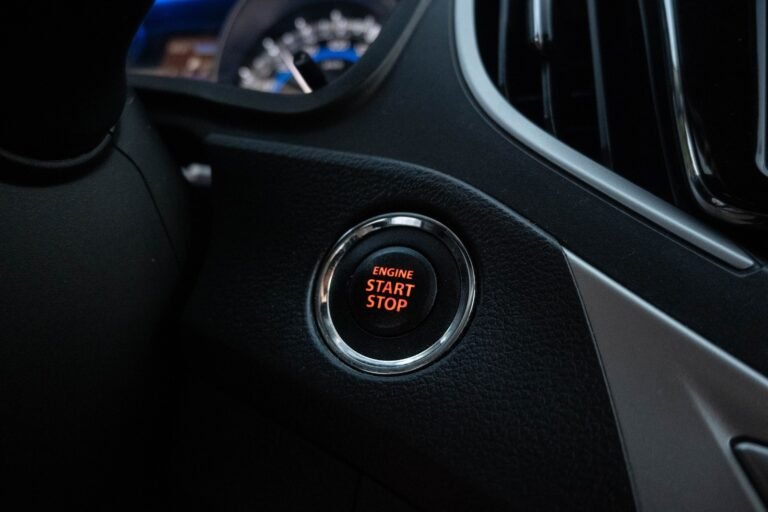


Reader Discussion & Questions
1 Comments